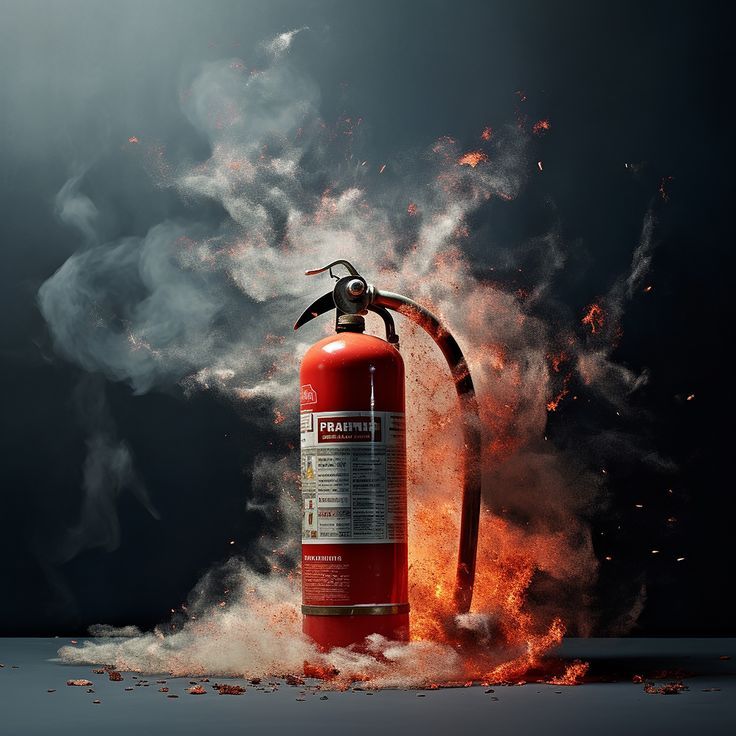
نظام اطفاء الحريق Fire fighting system
وصف الخدمة Service Description
المواصفات الفنية – نظام مكافحة الحريق للمختبرات
1. المتطلبات العامة
- يجب أن يكون النظام مطابقًا لمعايير NFPA (National Fire Protection Association)، خاصة NFPA 13 و NFPA 72، بالإضافة للمعايير المحلية.
- تصميم النظام يجب أن يضمن كشف وإطفاء الحرائق بسرعة عالية في المختبرات دون الإضرار بالأجهزة أو المواد الكيميائية.
- النظام يجب أن يغطي:
- جميع المختبرات، المخازن، غرف المعدات، وقاعات البنشات.
- أنظمة الإنذار، أجهزة الكشف، وأنظمة الإطفاء التلقائي.
2. أنظمة الكشف (Detection System)
- تركيب كواشف حريق حرارية ودخانية متطورة.
- نوع الكشف:
- حراري: مناسب للغرف ذات التهوية العالية أو المختبرات الكيميائية.
- دخاني: للمناطق الحساسة مثل غرف النظافة والمختبرات.
- يجب أن تكون جميع الكواشف متصلة بجهاز إنذار مركزي ويعمل على BMS إن وجد.
3. نظام الإنذار
- أجهزة إنذار صوتية وضوئية (Sirens & Strobes) في جميع المختبرات والممرات.
- الإنذار يجب أن يكون مباشر ومتصل بلوحة تحكم مركزية مع إشعارات للطوارئ.
- إمكانية الاتصال مع مركز الحريق أو إدارة المبنى لإرسال تنبيهات تلقائية.
4. نظام الإطفاء
أ. الرشاشات الآلية (Sprinklers)
- تركيب رشاشات أوتوماتيكية متوافقة مع NFPA 13.
- نوع الرشاش: مقاوم للحرارة مع رأس قابل للتفعيل عند درجة حرارة معينة.
- توزيع الرشاشات بطريقة تغطي كامل مساحة المختبر والمخازن.
ب. أنظمة الغاز (Gas Suppression)
- للمختبرات التي تحتوي على مواد كيميائية حساسة أو أجهزة إلكترونية مكلفة.
- استخدام غازات مثل FM-200 أو Novec 1230 للإطفاء دون تلف الأجهزة.
- يجب أن يكون النظام:
- أوتوماتيكي بالكامل.
- مزود بأجهزة تأخير أو تحذير قبل إطلاق الغاز.
- مرتبط بأجهزة الكشف والإنذار.
ج. طفايات يدوية
- توفير طفايات حريق مناسبة لكل نوع خطر:
- ABC Powder: لمختبرات عامة.
- CO₂: للأجهزة الإلكترونية الحساسة.
- Water/foam: للمناطق غير الكيميائية.
5. الأنابيب والتجهيزات
- جميع أنابيب النظام من الفولاذ المجلفن أو المقاوم للتآكل.
- وصلات مقاومة للتسريب مع صمامات تحكم وفحص (Control & Test Valves).
- جميع الأنظمة يجب أن تكون قابلة للفحص والصيانة بسهولة.
6. التحكم والمراقبة
- لوحة تحكم مركزية Fire Alarm Control Panel (FACP)، متصلة بكل أجهزة الكشف والإنذار.
- عرض لحالة كل منطقة بشكل مباشر:
- إنذار حريق
- عطل أو خلل في النظام
- إمكانية التكامل مع BMS لمراقبة واتباع إجراءات الطوارئ.
7. السلامة والامتثال
- جميع المعدات والمواد يجب أن تكون معتمدة من NFPA، UL أو CE.
- توفير إرشادات التشغيل والصيانة، مع تدريب موظفي المختبر على التعامل مع الحريق.
- النظام يجب أن يتوافق مع متطلبات السلامة الكيميائية والبيئية للمختبر.
8. التركيب والاختبار
- التركيب حسب تعليمات الشركة المصنعة ومعايير NFPA.
- اختبار جميع أجهزة الكشف، الرشاشات، الطفايات، وأنظمة الغاز بعد التركيب.
- تقديم شهادات اختبار، كتيبات التشغيل، وخطط الصيانة الدورية.
Technical Specifications – Laboratory Fire Protection System
1. General Requirements
- The fire protection system shall comply with NFPA standards, specifically NFPA 13 and NFPA 72, as well as local regulations.
- The system shall ensure rapid detection and suppression of fires in laboratories without damaging sensitive equipment or chemicals.
- The system shall cover:
- All laboratories, storage rooms, equipment rooms, and bench areas.
- Detection systems, alarms, and automatic suppression systems.
2. Detection System
- Installation of advanced heat and smoke detectors.
- Detector types:
- Heat detectors: for rooms with high ventilation or chemical labs.
- Smoke detectors: for sensitive areas such as cleanrooms and labs.
- All detectors shall be connected to a central alarm panel and integrated with the BMS if applicable.
3. Alarm System
- Audio and visual alarms (sirens and strobes) in all labs and corridors.
- Alarms must be directly linked to a central control panel with emergency notifications.
- Capability to connect to a fire center or building management for automatic alerts.
4. Fire Suppression System
A. Automatic Sprinklers
- Installation of automatic sprinklers compliant with NFPA 13.
- Sprinkler heads: heat-activated at specific temperatures.
- Coverage must ensure protection of the entire lab and storage areas.
B. Gas Suppression Systems
- For labs with sensitive chemicals or expensive electronic equipment.
- Use FM-200 or Novec 1230 gas systems to suppress fire without damaging equipment.
- System features:
- Fully automatic activation
- Pre-alarm or warning devices before gas release
- Integration with detectors and alarms
C. Portable Fire Extinguishers
- Provide appropriate types for each hazard:
- ABC Powder: general lab areas
- CO₂: sensitive electronic equipment
- Water/Foam: non-chemical areas
5. Piping and Fittings
- All piping shall be galvanized or corrosion-resistant steel.
- Leak-proof fittings with control and test valves.
- System components must allow easy inspection and maintenance.
6. Control and Monitoring
- Fire Alarm Control Panel (FACP) connected to all detectors, alarms, and suppression devices.
- Real-time display of each zone status:
- Fire alarm
- Fault or malfunction
- Integration with BMS for monitoring and emergency procedures.
7. Safety and Compliance
- All equipment must be NFPA, UL, or CE certified.
- Provide operation and maintenance manuals, along with staff training.
- System must comply with chemical and environmental safety requirements for laboratories.
8. Installation and Testing
- Installation according to manufacturer instructions and NFPA standards.
- Testing of all detectors, sprinklers, extinguishers, and gas systems after installation.
- Provide test certificates, operation manuals, and maintenance schedules.